Tranquility Woods
Cannabis Use Disorder Is Real. Here’s What Research Shows.
A Tranquility Woods Addiction Treatment Center Resource
4 min
Last Updated on February 18, 2026
Cannabis use is widespread in the United States, but federal health agencies have repeatedly stated that it is not risk-free. Recognizing the science behind cannabis’s effects on the brain, behavior, and mental health is essential for prevention, early intervention, and recovery.
At Tranquility Woods, we believe in evidence-based education to help individuals and families understand substance use and make informed decisions.
What Federal Health Agencies Say About Cannabis
Cannabis affects brain function.
According to the Centers for Disease Control and Prevention (CDC), cannabis use impacts key areas of the brain responsible for memory, learning, attention, decision-making, coordination, and emotions. These effects are particularly concerning when use begins during adolescence, a critical period of brain development. 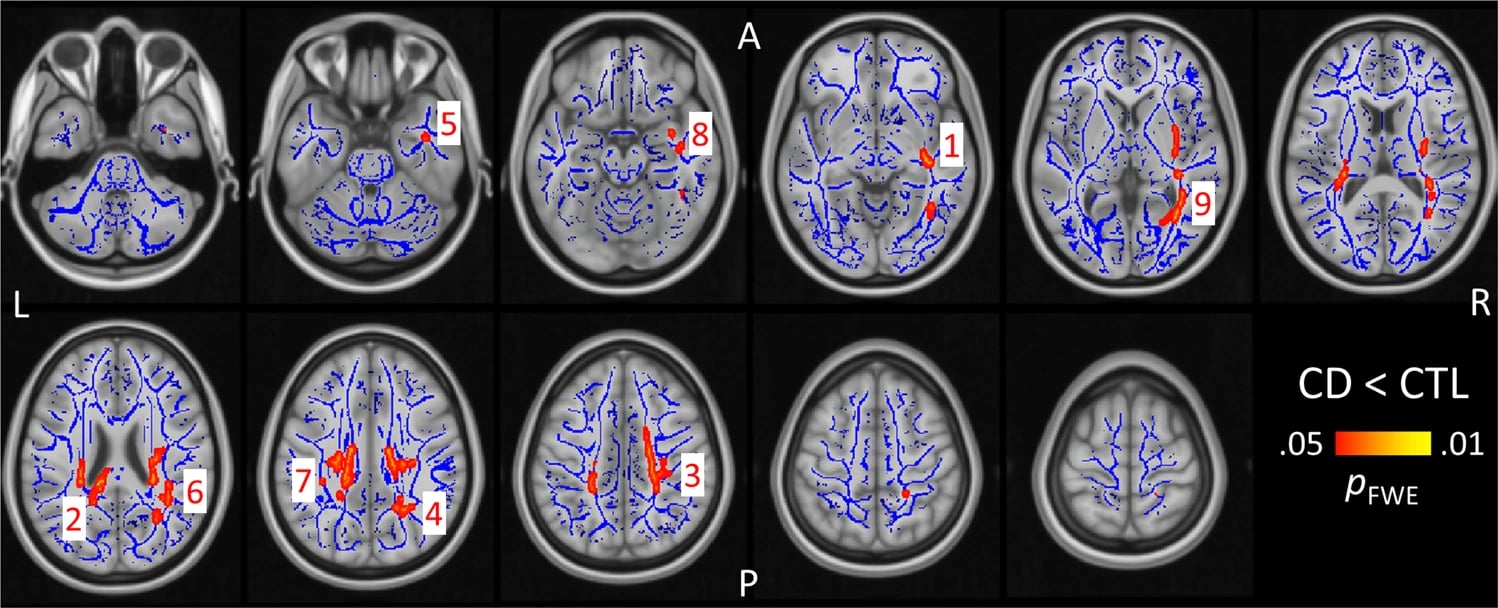 Image Source
Youth brains are especially vulnerable.
The CDC notes that using cannabis before age 18 may affect how the brain forms connections, which can impair thinking, memory, and learning, potentially leading to poorer academic performance.
Cannabis use disorder is a real condition.
The CDC defines cannabis use disorder as a pattern of use that causes significant impairment or distress, including continued use despite problems at home, school, or work, cravings, and difficulty quitting. Cannabis potency (THC concentration) has increased over recent decades, which may heighten these risks.
Mental health links.
CDC research indicates that cannabis use is associated with an increased likelihood of psychosis — including hallucinations, paranoia, and long-lasting mental disorders — and the risk is stronger for those who start at a younger age and use more frequently.
How Common Is Cannabis Use and Use Disorder?
Government survey data show that cannabis use is widespread: millions of Americans use it each year, and a significant portion meet criteria for a use disorder. According to the Substance Abuse and Mental Health Services Administration (SAMHSA), approximately 19 million people aged 12 or older had a marijuana use disorder in the past year, with young adults (ages 18-25) having the highest prevalence.
This underscores that cannabis use can progress from casual or recreational use into patterns of problematic or compulsive use for many people.
Public Health and Daily Life
Federal evidence suggests that cannabis use — especially frequent or heavy use — can have broad impacts on daily functioning:
-
Cannabis may impair cognitive abilities such as memory and attention.
-
Higher THC doses are more likely to produce anxiety, agitation, paranoia, and psychosis.
-
Cannabis is associated with an increased risk of motor vehicle crashes.
Federal data also indicate that cannabis use, particularly early in life, is linked to negative outcomes in school performance, education, and later life success.
Why This Matters for Individuals and Families
Government research shows that:
-
Cannabis is not risk-free, especially for young people.
-
Regular or heavy use can lead to physical and psychological dependence.
-
Cannabis use can impact mental health, behavior, and life functioning in serious ways.
Awareness of these scientifically documented effects can help families, communities, and individuals recognize when use patterns may be harmful and when to seek support.
Our Approach to Substance-Related Care
At Tranquility Woods Addiction Treatment Center, we support individuals and families with compassionate, research-based care that addresses not just substance use but the underlying mental health factors that contribute to it.
Our comprehensive programs offer:
✔ Clinical assessment of substance use and related mental health conditions
✔ Personalized treatment planning tailored to each person
✔ Integrated care for co-occurring disorders
✔ Family education and support
✔ Aftercare planning for sustained recovery
We believe that recovery begins with education, compassion, and access to evidence-based treatment.
Tranquility Woods is a private residential addiction and mental health treatment center located on 40 wooded acres in Pasadena, Maryland. For more than a decade, our team has specialized in treating substance use disorders and co-occurring mental health conditions through evidence-based, individualized care.
Our programs integrate psychiatry, trauma-informed therapy, cognitive behavioral approaches, holistic modalities, and structured aftercare planning to address the root causes of substance use. We maintain a focused, personalized environment that allows each client to receive the clinical attention and stability needed for lasting change.
If you or someone you love is struggling with cannabis use, alcohol, or other substances, our admissions team is available to provide guidance and confidential support.